24/7 emergency service Office Mon to Fri, 8 AM to 5 PM
Common Plumbing Questions, Answered

Family-owned · Plainfield Local

4.8 from 53Google reviews

Common Plumbing Questions, Answered

Straight answers to the plumbing and heating questions Plainfield homeowners ask us most.

Call or text(815) 609-3150

Request an estimate

Tell us what you need
No obligation · Responds within 1 business day


By submitting this form you agree that we may contact you about your request and share your name and email address with partner companies for email marketing. We never share your mobile number or text message consent with third parties or affiliates for marketing or promotional purposes.

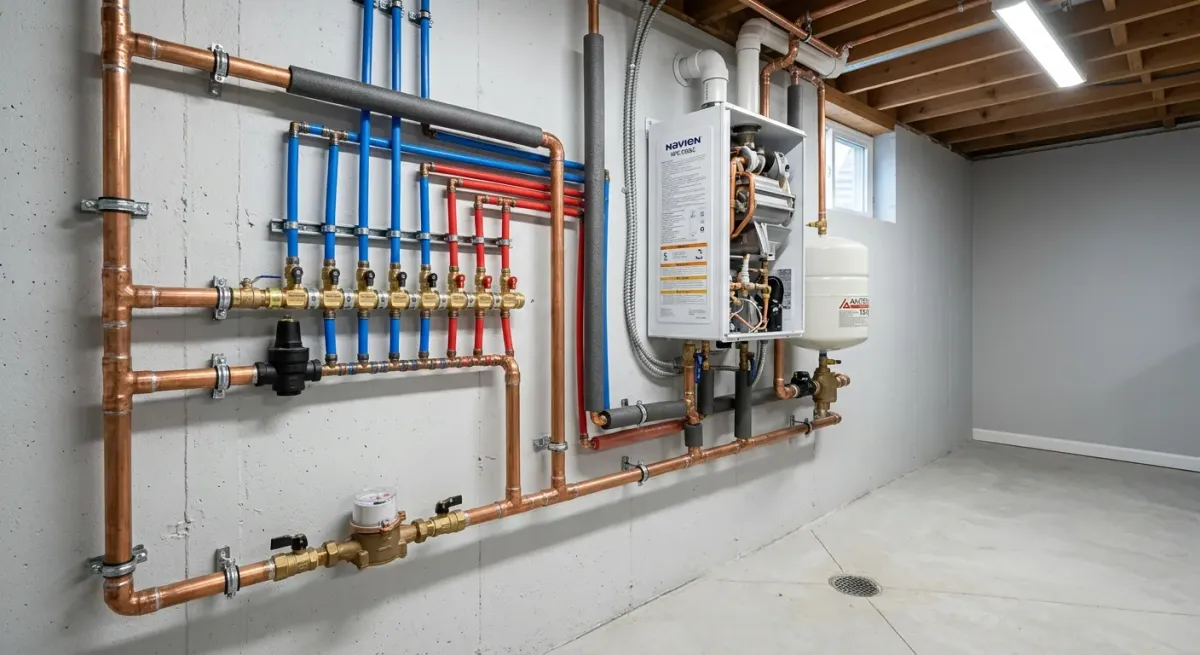
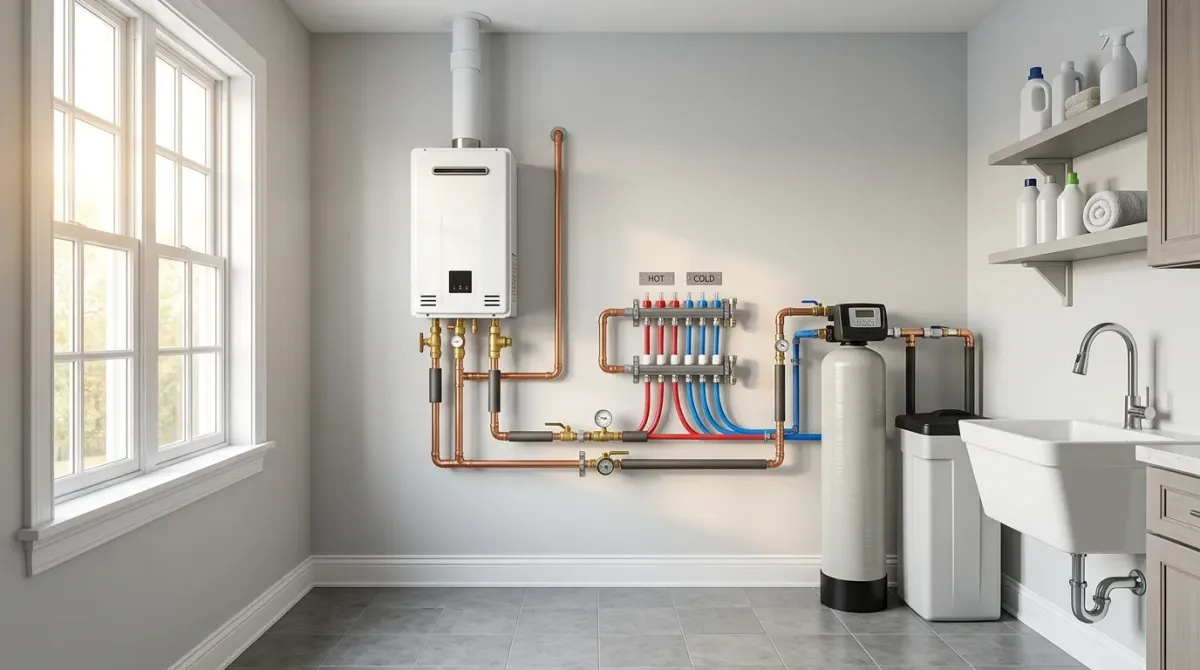
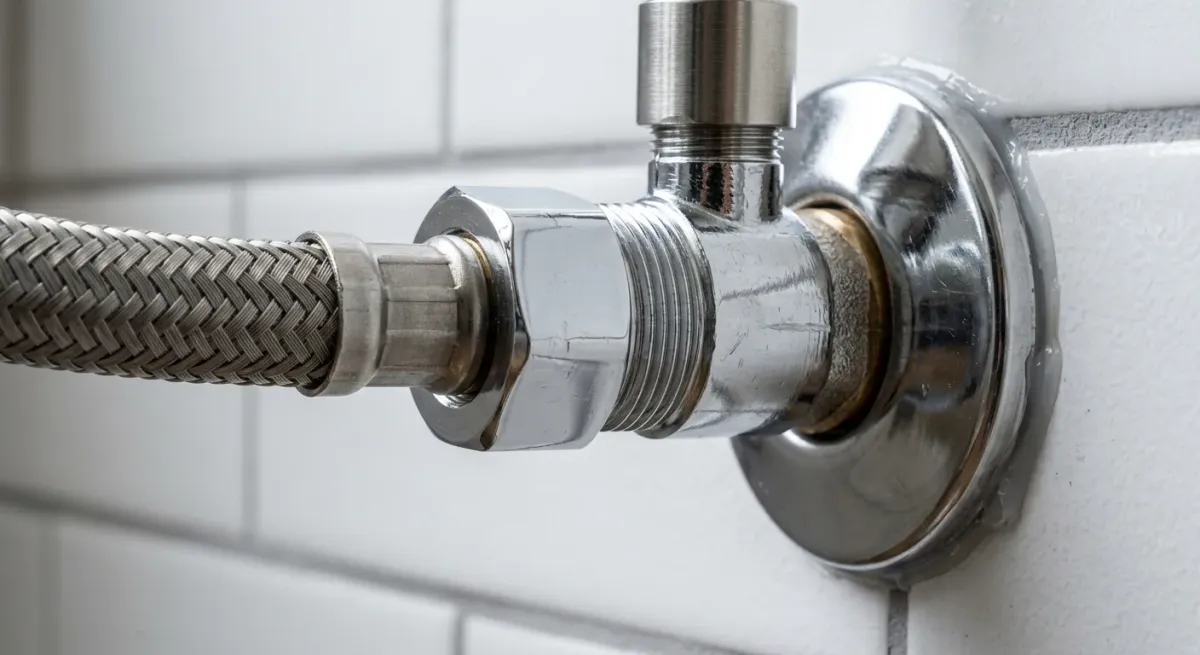
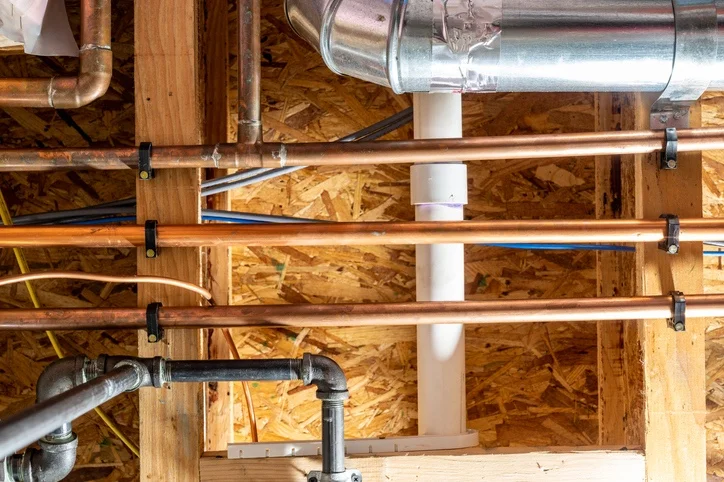
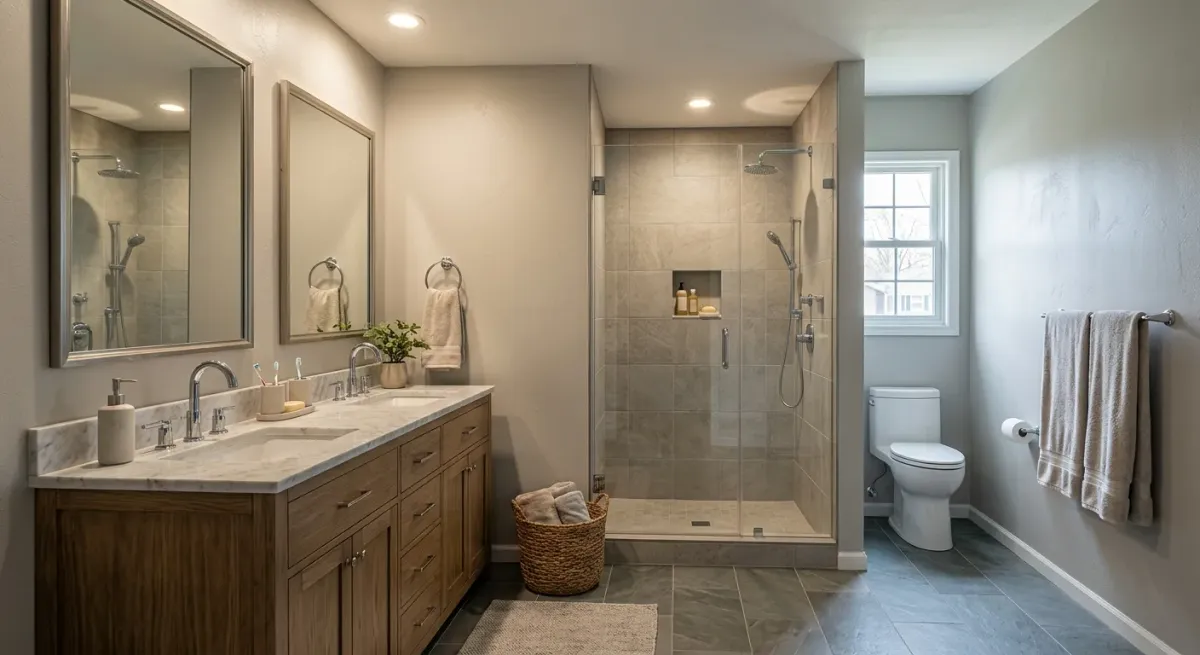
plumbing faqs work, project example in Plainfield, IL

Plumbing answers from 24 years in the field

After two decades serving Chicagoland homeowners, we hear the same questions: why is my water pressure low, is my sump pump working, when should I flush my water heater? Here are plain answers. If your situation is more than a FAQ can cover, call (815) 609-3150. We answer 24 hours a day, every day.

Plumbing Questions

The most frequent calls we get, and what to try first.

How can I prevent clogged drains in my home?
Keep grease, oils and food scraps out of the kitchen sink. Use drain screens and flush drains with hot water. Only toilet paper and waste go in the toilet; 'flushable' wipes cause blockages we clear every week. See toilet and shower care to prevent major repairs.
What should I do if my toilet keeps running?
Check the tank. A warped flapper lets water run past, and a float arm set too high sends water into the overflow tube. Both are cheap parts. If that doesn't stop it, or the fill valve is worn, call a plumber: it can waste hundreds of gallons a day.
How do I fix a dripping faucet?
Usually a worn washer or seat seal. Shut off the water below the fixture, remove the handle, and replace the washer or O-ring. Ball-style and cartridge faucets differ; see how to fix a leaky sink faucet. A corroded seat or cracked body means replacement.
How can I unclog a toilet without a plunger?
Pour hot (not boiling) water in from waist height. Then try half a cup of baking soda and a cup of white vinegar, wait 20 to 30 minutes, and flush. Dish soap helps. If water backs up into the tub, the clog is deeper. More: how to unclog a toilet without a plunger.
What should I do when my garbage disposal won't turn on?
Press the reset button on the bottom until it clicks. If it hums but won't spin, turn the grinding plate from underneath with its hex wrench (or a 1/4-inch Allen key). Never reach inside. Still dead? See what to do when your garbage disposal won't turn on. A burned-out motor means replacement.
What are the signs of a hidden water leak?
An unexplained increase in your water bill. Damp or stained walls and ceilings, soft floors, musty odors (often mold behind drywall). Running water sounds, or a meter moving, with every fixture off. A water valve replacement or pipe repair usually fixes it once the source is found.
What are the main causes of low water pressure in my home?
At one fixture: a blocked aerator or failing shut-off valve. Whole house: corroded galvanized pipe, a partly closed main shutoff, a failing pressure regulator, a leak, or occasionally the municipal supply. A plumber's assessment beats swapping parts one at a time.
How do I know if my sump pump is working properly?
Pour a bucket of water into the pit until the float rises. The pump should start within a few seconds, empty the pit and shut off. No start: check the plug and the float. Runs but no water moves: a jammed impeller or failed check valve. Test before Illinois's spring thaw. Our sump pump service includes cleaning, float testing and discharge line inspection.
What can I do to prevent my pipes from freezing in the winter?
Insulate exposed pipes in unheated areas such as basements, garages and crawl spaces. In extreme cold, let a small stream of water drip from faucets and keep the cabinet doors under sinks open so warm air reaches the lines. The American Red Cross notes frozen-pipe damage can be extensive. We offer winterization services before temperatures drop.
Why do I hear banging noises in my pipes?
That's water hammer. When flowing water is suddenly stopped or changes direction, it sends a shockwave through the pipe. Fast-acting valves, high water pressure and unsecured lines cause it, and over time it can damage pipes and fittings. Water hammer arrestors or a pressure-reducing valve usually fix it.
Why does my water heater make rumbling or popping noises?
Sediment has built up inside the tank. As it heats, it traps water beneath it, and the popping is bubbles escaping. Sediment reduces efficiency and can shorten the heater's life. Manufacturers like Bradford White recommend annual flushing, and our hot water heater maintenance service includes it.
Can I use chemical drain cleaners for clogs?
They're convenient, but the harsh chemicals can erode pipes over time, especially in older plumbing, and they often provide only a temporary fix. For stubborn or recurring clogs, a plumber can use hydro jetting or snaking to clear the actual obstruction. See our drain cleaning service.
How often should I have my plumbing inspected?
At least once every two years, or every year if you have an older home or frequent plumbing problems. Routine inspections catch small problems before they turn into costly repairs. During an inspection we check for leaks, water pressure, corrosion and how your fixtures operate.
What is hard water, and how does it affect my plumbing?
Hard water carries high levels of calcium and magnesium that leave deposits in pipes, fixtures and appliances, restricting flow and making water heaters and dishwashers less efficient. Soap scum and dry skin are common signs. The U.S. Geological Survey reports much of Illinois has moderately hard to very hard water. A water softener reduces the deposits.
How can I tell if I need to replace my water heater?
Watch for inconsistent hot water, rumbling noises, rusty water or visible leaks. Most tank-style water heaters last 8 to 12 years. If yours is near or past that range, replacing it may be more cost-effective than repairing it. We can inspect it, explain your options and handle the water heater installation.

Winter Prep

Thawing Frozen Pipes

What's the best way to thaw frozen pipes?

Gentle, indirect heat: a hair dryer, a heating pad or warm wet towels, working from the faucet end toward the frozen section. Never a propane torch, heat gun or open flame. Can't find it, or the pipe split? Shut off the main and call us. A burst pipe in a Plainfield winter needs same-day attention, and we're available around the clock.

Call Leto: 24/7 Emergency Service

24 years in Plainfield. Background-checked technicians. Available every hour of every day.

If a question on this page is happening in your home right now, call (815) 609-3150.
24/7 availability
Emergency service around the clock, every day of the year
Licensed, bonded & insured professionals
Every technician background-checked before entering your home
Family-owned since 2002
Richard Leto's name is on every job
Plumbing and HVAC under one roof
No referrals to a second contractor
Call the family (815) 609-3150

Still Have a Question?

Call Leto Plumbing & Heating at (815) 609-3150. 24/7 emergency service is available. We serve Plainfield, Naperville, Joliet, Bolingbrook and the broader Chicagoland area. See our current specials or a plumbing coupon before you call.

  • ★ 4.8 on Google
  • BBB A+
  • Licensed & insured

Next step

Tell us about the job

Your name, your number and what needs doing. A person from Leto Plumbing & Heating, Inc. gets back to you.

Rather talk now?(815) 609-3150

No obligation · Responds within 1 business day


By submitting this form you agree that we may contact you about your request and share your name and email address with partner companies for email marketing. We never share your mobile number or text message consent with third parties or affiliates for marketing or promotional purposes.