
Family-owned · Plainfield Local
4.8 from 53Google reviewsSpring Drain Cleaning in Plainfield, IL
What melting ice and yard debris actually do to your drainage system, and when to call.
Call or text(815) 609-3150Request an estimate
Tell us what you need
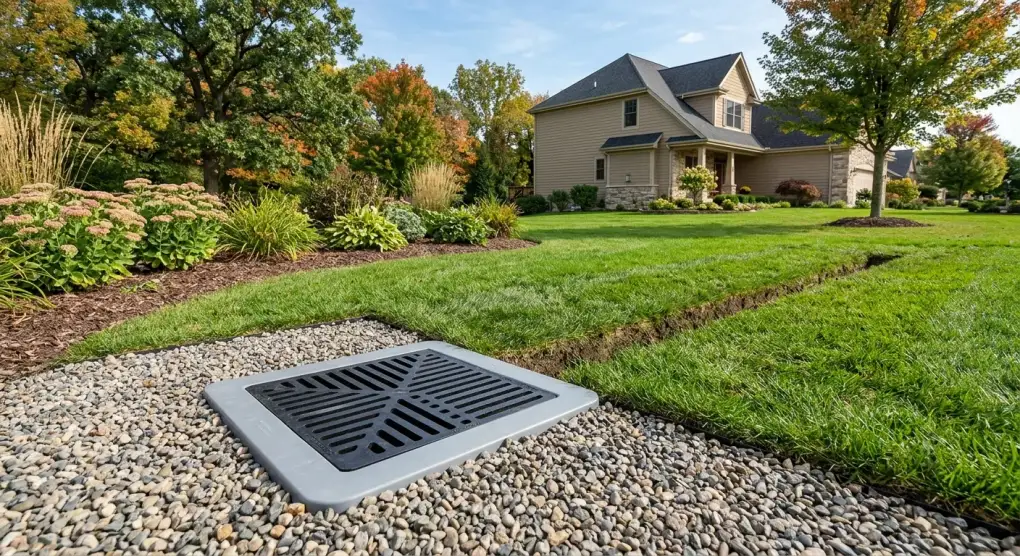
Why Spring Is Hard on Plainfield Drains
When the ice breaks in Plainfield, gutters, downspouts, floor drains and underground pipes all take the surge at once. If your drainage system is still carrying debris from fall, that extra load is enough to cause a serious blockage.
Most homeowners don't notice until a drain backs up or the basement gets wet, and by then the clog has been forming for weeks. Catching the signs early can turn a repair into a simple cleaning.
Climate Context
What 40 Inches of Snow Does to Your Pipes
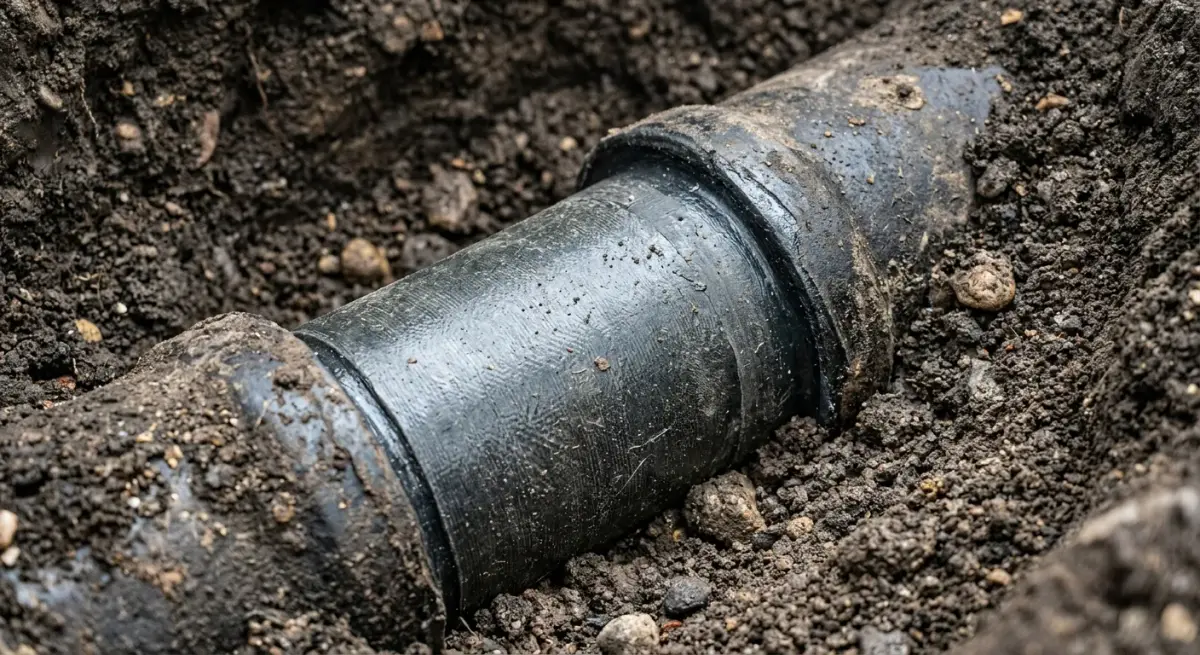
Four Things That Clog Drains After a Plainfield Winter
Each of these works alone. In spring, they usually arrive together.
Melting Ice and Snow Runoff
Runoff rushes through gutters, downspouts and drain pipes. Channels holding fall debris back up fast, and road grit and sand settle inside pipes and narrow the flow path.
Yard Debris Accumulation
Branches, leaves, pine needles and grass wash toward the nearest drain as snow melts. Organic material compacts in pipes and holds moisture, which speeds up buildup.
Soil Erosion and Sediment
Freeze-thaw cycles loosen soil around underground pipes. The sediment washes in through small gaps and builds up over several seasons until flow is restricted.
Root Intrusion
Spring moisture drives root growth, and roots find any crack or joint in a drain line. A camera inspection is the only reliable way to confirm root intrusion before the line backs up completely.
Warning Signs
Signs Your Drains Need Attention This Spring
Any one of these warrants a closer look, more than one means act now.
Slow Draining Water
Sluggish sinks, tubs or outdoor drains are often the first sign of a clog forming. Slow is your warning.
Unpleasant Odors
A foul smell from drains or around the house can mean trapped organic debris or early sewage backup. It gets worse as the blockage grows.
Pooling Water
Water pooling near downspouts, gutters or foundation drains signals a blockage. In spring it often shows up as soggy patches in the yard that take days to drain.
Gurgling Sounds
Noisy drains mean air trapped by a partial blockage. A gurgling toilet or floor drain after heavy rain is worth a plumber's look.
Flooded or Damp Basements/Yards
Excess water that doesn't drain properly can seep into basements or create soggy areas in your yard.
- Slow Draining Water: Sinks, tubs, or outdoor drains that drain sluggishly are often the first sign of a clog forming.
- Unpleasant Odors: A foul smell coming from drains or around your home may indicate trapped debris or sewage backups.
- Pooling Water: Water pooling near downspouts, gutters, or foundation drains could signal a blockage preventing proper drainage.
- Gurgling Sounds: Unusual noises from your drains often suggest trapped air caused by partial blockages.
- Flooded or Damp Basements/Yards: Excess water that doesn't drain properly can seep into basements or create soggy areas in your yard.
What a Professional Drain Cleaning Actually Covers
The tools a licensed plumber brings make a difference, especially when the problem is underground.
Video Camera Inspection
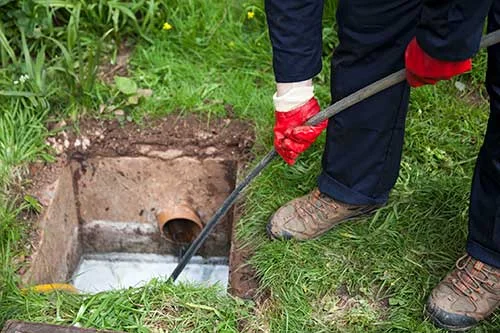
A camera feeds through your pipes so the plumber sees exactly where blockages, cracks or root intrusion are. No digging before confirming what's there.
Hydro Jetting
High-pressure water clears debris, grease and sediment from pipe walls without chemicals, leaving pipes close to original flow capacity.
Mechanical Snaking
A rotating auger breaks up clogs jetting alone won't clear, like compacted organic matter or road-treatment grit.
Pipe Repair
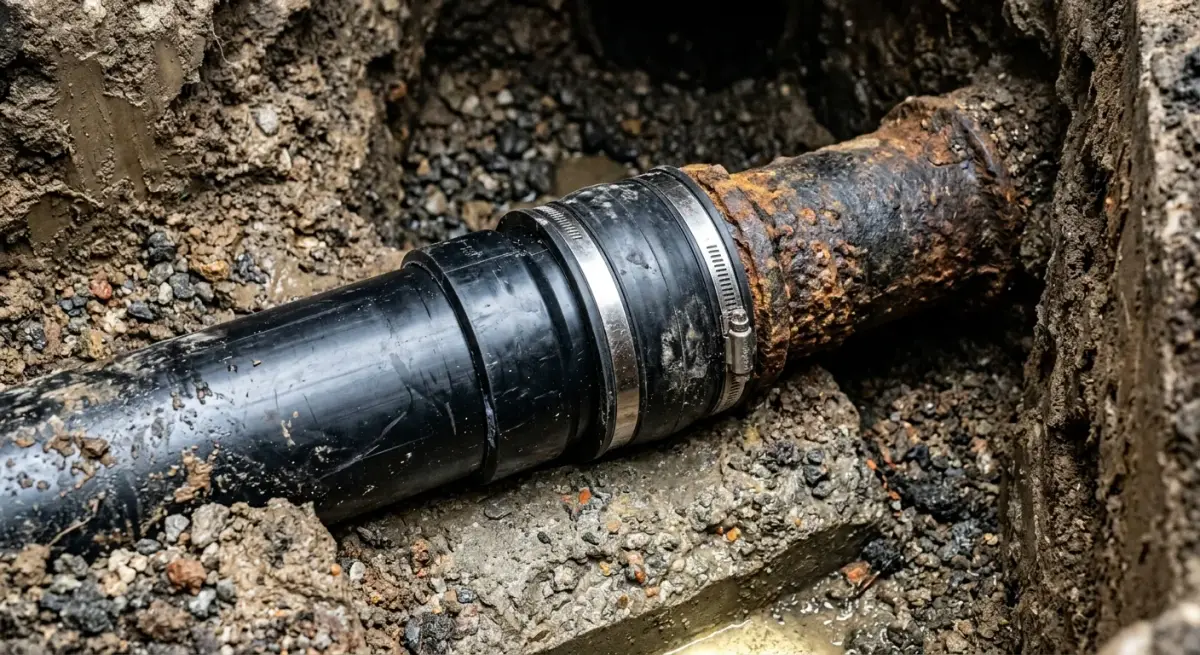
When the camera finds a crack, offset joint or root entry point, it can be fixed before a full collapse. Early repair is almost always cheaper than emergency replacement.
- Video Camera Inspections: Advanced cameras can be sent through your pipes to identify blockages, cracks, or root intrusion.
- Hydro Jetting: High-pressure water jets flush away debris, grease, and buildup inside pipes without causing damage.
- Mechanical Snaking: Rotating augers break up stubborn clogs and clear blockages.
- Pipe Repair: When necessary, professionals can fix or replace damaged pipes to prevent future issues.
Why It Matters
What Spring Cleaning Prevents, and What You Can Do
Schedule Your Spring Drain Inspection
Spring clogs don't wait, and neither do we.
- ★ 4.8 on Google
- BBB A+
- Licensed & insured
Next step
Tell us about the job
Your name, your number and what needs doing. A person from Leto Plumbing & Heating, Inc. gets back to you.
Rather talk now?(815) 609-3150