
Family-owned · Plainfield Local
4.8 from 53Google reviewsWater Heater Leaking? Don't Wait.
A small puddle today can mean a flooded utility room tomorrow. Here is what Plainfield homeowners need to know.
Call or text(815) 609-3150Request an estimate
Tell us what you need
Why a leaking water heater matters now
A small puddle around your water heater is easy to put off. Many Plainfield, IL homeowners delay water heater repairs because a minor leak doesn't feel urgent, but a slow drip often means something larger is developing, and waiting makes the repair more expensive. Water creeps under flooring and into drywall, a damp utility room grows mold, and a tank that fails without warning can dump 40 to 80 gallons into your home in minutes.
According to the International Association of Certified Home Inspectors (InterNACHI), tank water heaters last about 10 years on average, depending on water quality, installation and maintenance. Past ten, any new symptom deserves a look, ideally in summer, before Illinois winters bring the heaviest demand. These signs call for water heater repair in Plainfield, IL.
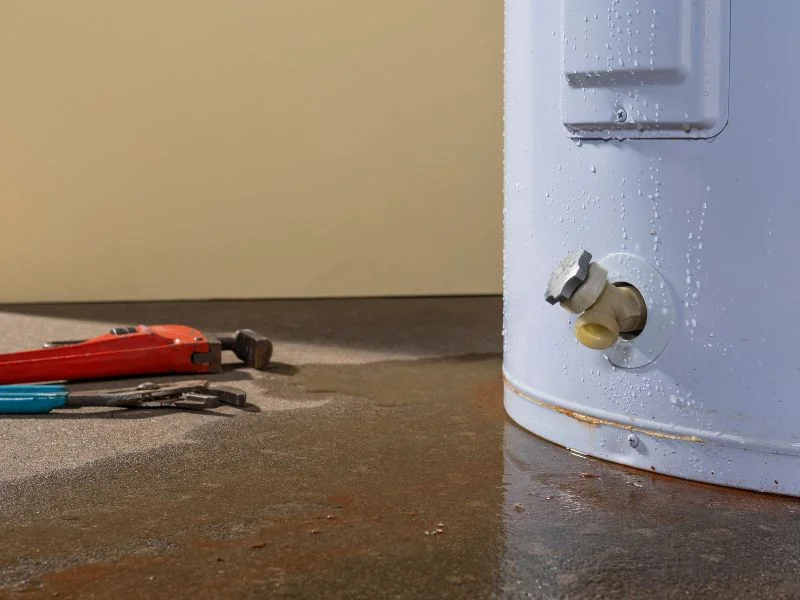
Water pooling around the base of the tank
Standing water under a water heater is never a coincidence. Where it comes from tells you how serious it is.
Loose drain valve
The drain valve at the bottom of the tank can loosen or start dripping after years of flushes. It looks like a tank leak, but a replacement valve is inexpensive.
Temperature and pressure relief valve
The T&P valve releases water when tank pressure gets too high. Regular dripping means a faulty valve seat or elevated system pressure. Both need a professional.
Loose plumbing connections
The fittings where cold water enters and hot water exits loosen as they expand and contract through years of heating cycles. A drip here is often fixable without replacing the tank.
Corrosion inside the tank
Water seeping through corroded metal gets worse fast and usually points to water heater replacement, not repair.
Cracks in the tank itself
A leak from the tank body itself can't be patched. Replacement is the only safe answer, and a plumber can help you compare a new tank installation with a tankless option.
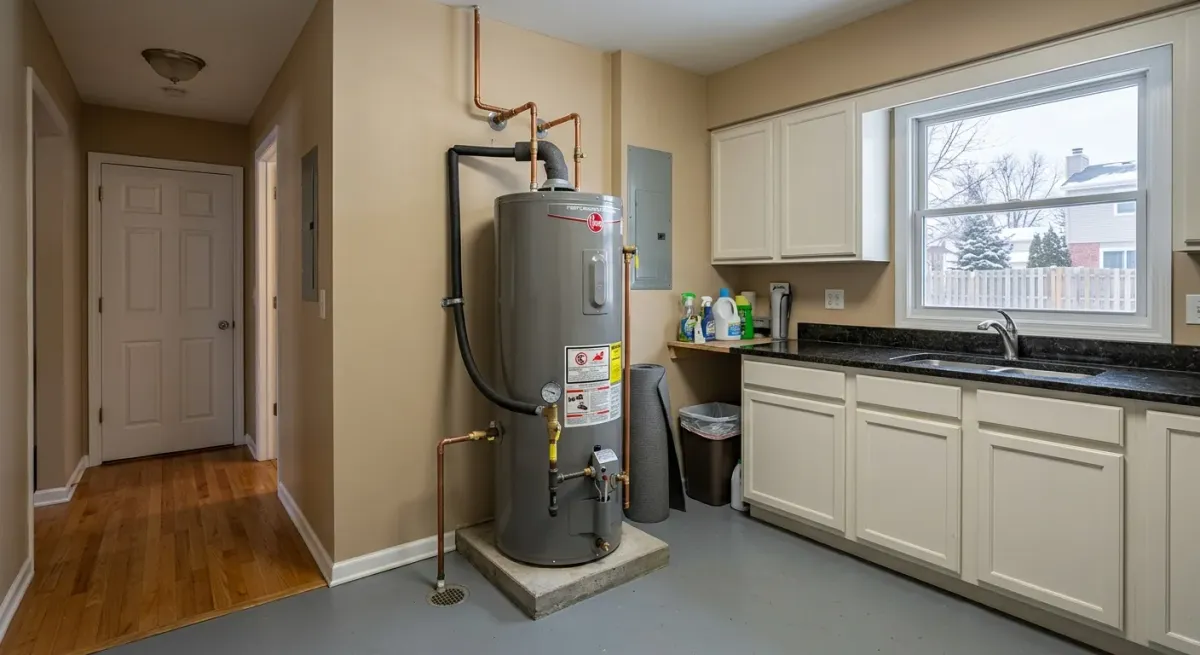
Rust or corrosion you can see on the outside
Running out of hot water faster than you used to
- Hot water turning cold partway through a shower
- Longer recovery times between back-to-back uses
- Inconsistent water temperatures throughout the day
- Less total hot water than your household typically needs
Sounds to notice
Strange noises from the tank
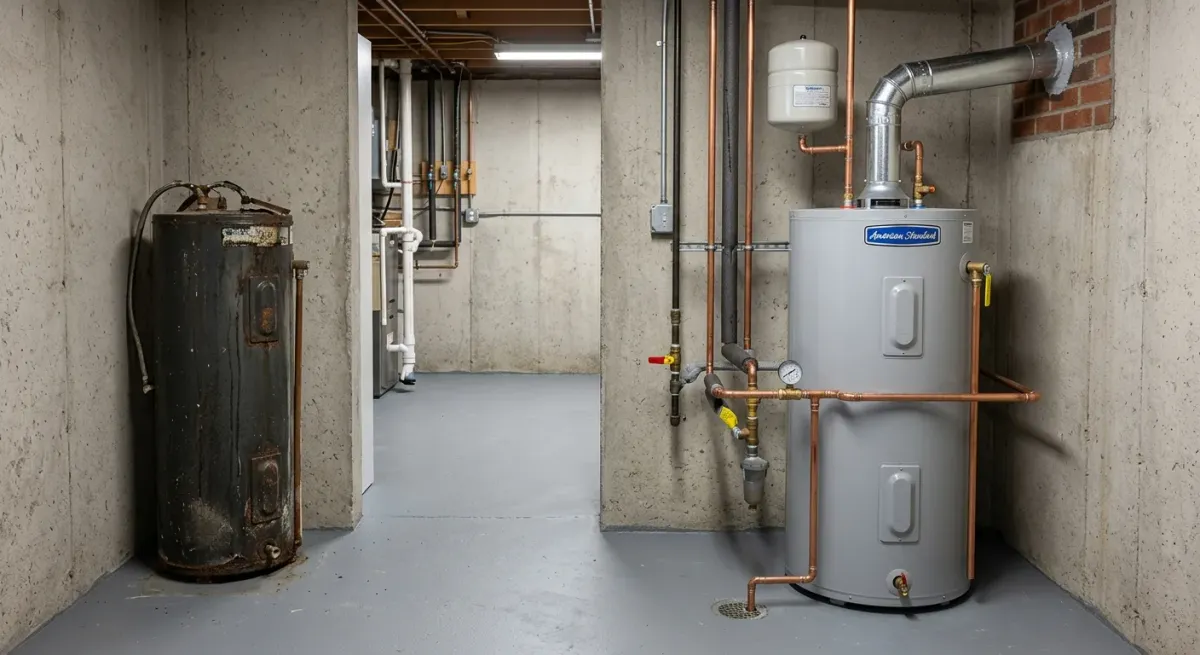
Discolored or rusty hot water
Higher energy bills without any change in usage
Your utility bill sometimes reports a water heater problem before you notice anything else.
Sediment insulating the burner
A sediment layer makes the burner run longer to reach the set temperature, burning more gas or electricity per gallon.
A failing heating element
In electric units, a partly failed heating element makes the other one work harder, and the bill reflects it.
A miscalibrated thermostat
A thermostat that reads the water temperature wrong can heat well past what you need, around the clock.
Age-related efficiency loss
Near the end of its ten-year lifespan, scale and wear cut efficiency. Repairs fix specific failures, but an aging tank may never return to its original operating costs.
When to call a plumber versus waiting
Some water heater issues can sit on the inspection list for a week. Others cannot.
- Call the same day
- Active water pooling on the floor, T&P valve dripping continuously, or discolored water that does not clear.
- Schedule within a few days
- Hot water duration has shortened noticeably, unfamiliar noises have started, or you have seen rust on the tank exterior.
- Book a routine inspection
- The unit is 8 years or older, you cannot remember the last time it was serviced, or your energy bills have climbed without explanation.
- 24/7 availability
- Leto Plumbing answers at any hour, including weekends and holidays. Call (815) 609-3150 if it cannot wait.
Have a Plainfield plumber take a look
A water heater inspection costs far less than water damage cleanup.
- ★ 4.8 on Google
- BBB A+
- Licensed & insured
Next step
Tell us about the job
Your name, your number and what needs doing. A person from Leto Plumbing & Heating, Inc. gets back to you.
Rather talk now?(815) 609-3150