
Family-owned · Plainfield Local
4.8 from 53Google reviewsRPZ Backflow Testing & Prevention Tips for Safe Drinking Water in Plainfield, IL
What every Plainfield homeowner and property manager should know about RPZ devices, annual testing, and Illinois compliance.
Call or text(815) 609-3150Request an estimate
Tell us what you need
What Is Backflow and Why Does It Matter?
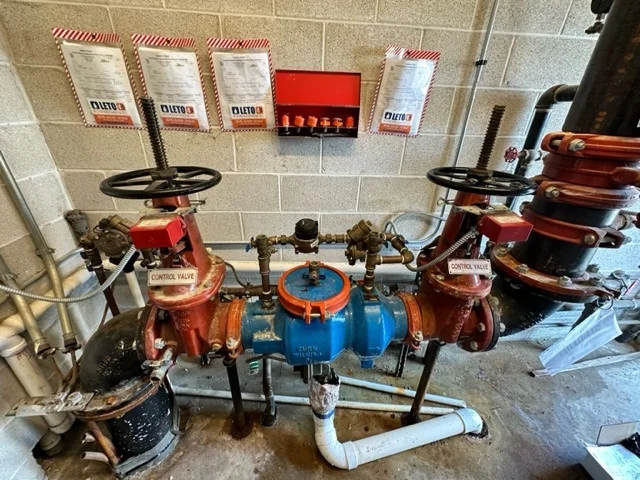
Your RPZ (Reduced Pressure Zone) backflow preventer is the small device that keeps contaminated water out of your drinking supply. In Illinois it has to pass an RPZ test every year, and skipping it risks fines, loss of water service, or worse.
Here's what RPZ backflow testing involves and how to keep the device in shape between tests. See our RPZ backflow testing service page for a full overview of what we offer.
What Is Backflow and Why Is It Dangerous?
Backflow pulls contaminated water backward into your potable supply, often with no visible warning.
- Fertilizers and pesticides from irrigation systems
- Cleaning chemicals from industrial buildings
- Human waste from toilets or sewer lines
- Bacteria and heavy metals from commercial equipment
How It Works
Understanding RPZ Backflow Preventers
- Irrigation systems with fertilizers or chemical injectors
- Boilers
- Commercial properties
- Fire sprinkler systems
- Car washes and laundromats
- Medical facilities
Why It Matters
Three Reasons RPZ Testing Cannot Wait
Protecting Public Health
One backflow event can contaminate water for your property and neighboring homes on the same main, a risk every time pressure swings during a main break or heavy firefighting draw.
Staying Legally Compliant
Under Illinois law (Title 35: Environmental Protection, Subtitle F: Public Water Supplies), every RPZ assembly needs annual backflow testing. The Village of Plainfield also requires owners to submit proof of testing each year. Missing it can mean fines, loss of water service, or liability if contamination occurs.
Preventing Property Damage
A failed relief valve can discharge water nonstop, causing flooding, structural damage and mold, especially in basement mechanical rooms. Catching a failing check valve at the annual test costs far less than the cleanup. If a sump pump shares the space, test both on the same schedule.
The Testing Process
What Happens During an RPZ Backflow Test
RPZ devices must be installed by a licensed plumber and tested by a certified backflow technician: annually (once every 12 months), immediately after installation, and after relocation or repair. Every RPZ test follows the same five steps.
1. Visual Inspection
The technician checks for corrosion, damage, unauthorized modifications or past leaks at the relief valve, and confirms location and access meet code.
2. Test Gauge Hookup
Calibrated differential pressure gauges go on the test cocks to measure each check valve and the relief valve. The technician verifies the gauges first: a miscalibrated gauge can pass a failing device.
Check
3. Valve Testing
Under simulated backflow conditions, both check valves must seat fully and hold, the relief valve must open when downstream pressure comes within 2 psi of upstream pressure, and the assembly must hold without discharge. A check valve that leaks even slightly fails and must be repaired or replaced before the device goes back in service.
4. Recording Results
Every reading, pass or fail, goes on an official test report, with any failure mode documented so repairs can be targeted.
5. Reporting
The report goes to the Village of Plainfield and any other required authorities, and you get a copy. After a repair or replacement, the device is re-tested and a second report confirms compliance.
Valve Testing: What Must Pass
- Proper closure of the check valves
- The relief valve opens at the appropriate pressure differential
- No leakage occurs under simulated backflow conditions
Homeowner Tips
Four Ways to Keep Your RPZ Assembly in Good Shape
1. Insulate Outdoor Assemblies
Outdoor RPZ devices are exposed to Chicagoland winters. Wrap the assembly in an approved insulation enclosure before the first hard freeze. A frozen relief valve can crack and discharge nonstop when it thaws. See our post on protecting pipes from fall freezes.
2. Keep the Area Clear
Landscaping, stored equipment or enclosures that block access can keep a technician from hooking up gauges and turn a routine test into a code violation. Keep at least 12 inches of clearance on all sides and never block the discharge port.
3. Schedule Timely Maintenance
If your assembly is more than 10 to 15 years old or has failed several tests in a row, replacing it is often cheaper than repairing it again. Talk to a licensed plumber in Plainfield before the testing deadline, not after.
4. Watch for Visible Leaks
Water discharging from the relief valve at normal operating pressure is a failure, not a drip to ignore. It means a check valve is leaking or supply pressure has spiked past the device's rated range. Call a licensed plumber right away.
Start here
Schedule Your Annual RPZ Backflow Test
Leto Plumbing & Heating has served Plainfield and the surrounding Chicagoland area for over 20 years. Our licensed, certified technicians perform RPZ backflow testing, document results, and submit the required reports to the Village of Plainfield for you, for homes with irrigation systems and commercial properties with multiple assemblies. We can handle water heater maintenance on the same visit when possible.
Call or text (815) 609-315024/7 emergency service · Office: Mon to Fri, 8 AM to 5 PM
Or send it in writing
Three fields, thirty seconds
Next step
Tell us about the job
Your name, your number and what needs doing. A person from Leto Plumbing & Heating, Inc. gets back to you.
Rather talk now?(815) 609-3150