
Family-owned · Plainfield Local
4.8 from 53Google reviewsProtecting Pipes from Fall Freezes
What Plainfield homeowners should do before the first hard freeze hits.
Call or text(815) 609-3150Request an estimate
Tell us what you need
Why Fall Is the Right Time to Act
When temperatures drop below 20°F, which happens every January in Plainfield, water in an unprotected pipe expands as it freezes and strains the pipe wall. The pipe doesn't fail while frozen. It fails when a warm spell thaws the ice, and by then the crack is already there. If you haven't scheduled your residential plumbing winterization, fall is the window.
What a Frozen Pipe Actually Does to Your Home
Burst Pipes
Freezing water expands until the pipe ruptures, and water rushes into walls, floors and belongings before most homeowners notice.
Water Damage
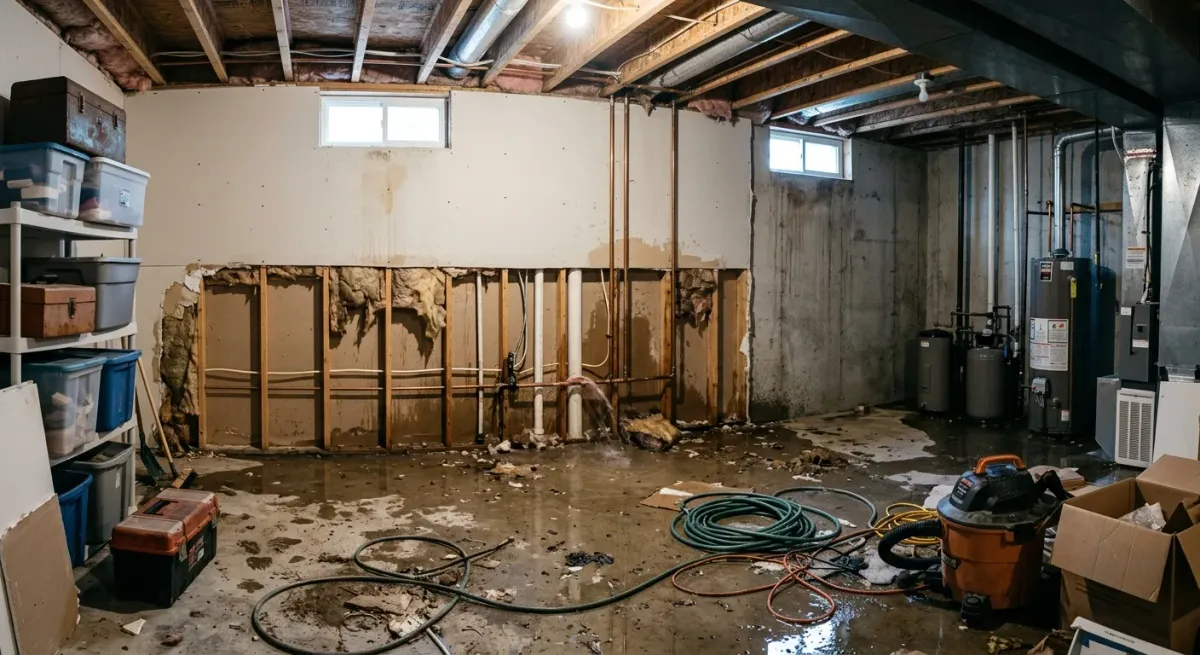
A half-inch supply line can empty hundreds of gallons into a finished basement in an hour. Drywall replacement and mold remediation can take weeks and cost far more than the repair.
Financial Strain
Add restoration, higher utility bills from hidden leaks before the break, and insurance claims that can raise your premium for years. Prevention costs a fraction of recovery.
The Three Zones That Freeze First
Pipes in heated interior walls rarely freeze. The ones in unheated spaces do. Walk these three areas before the cold settles in.
Exterior Walls
Exposed to outdoor cold on one side. Without enough insulation, the pipe sees near-outdoor temperatures on a cold night. The most common freeze spot in Plainfield homes built before 2000.
Crawl Spaces
Crawl spaces under older homes often have no insulation, and cold air surrounds the supply and drain lines. Seal the vents in late fall and insulate pipes before December.
Attics
Usually the least-insulated space. Supply lines to bathroom additions or rooms over garages can freeze hours before the rest of the house feels it. Insulating and ventilating the attic protects the pipes and the home ventilation system.
The Right Materials
Insulation Materials That Actually Work
Foam Pipe Sleeves
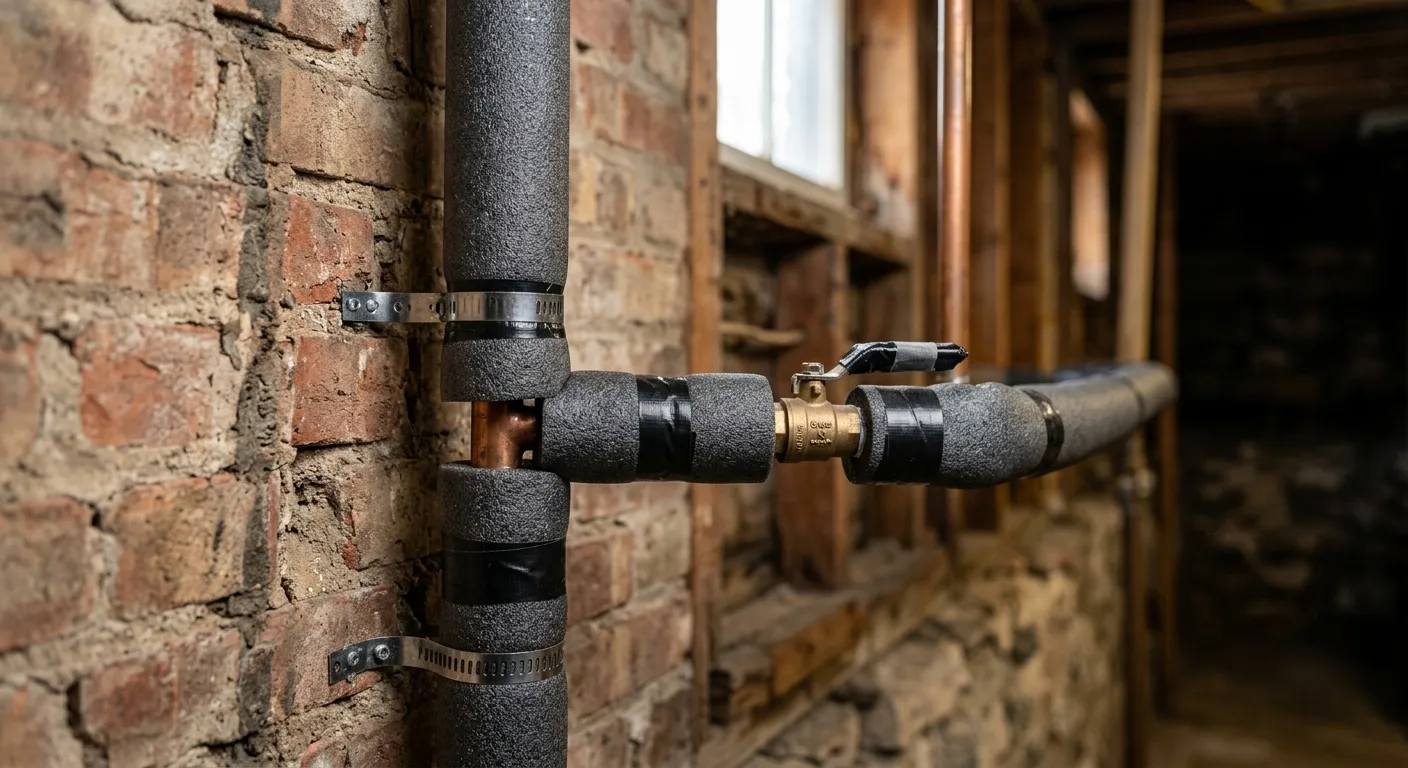
Inexpensive pre-cut foam tubes from any Plainfield hardware store snap onto standard pipe without tools. Leave no gaps at joints.
Heat Tape
An electric cable that wraps the pipe and gives steady warmth, for pipes truly exposed to outdoor temperatures that foam can't protect. Self-regulating versions adjust output as it gets colder.
Fiberglass Insulation
Rolls or batts for longer runs in exterior walls and attics. Pair it with a vapor barrier so condensation doesn't undermine it.
Prevention Steps Before the First Hard Freeze
Keep the Heat On
Keep every room, including those with vulnerable pipes, above 55°F even when you're away. A programmable or smart thermostat holds the minimum automatically.
Let Faucets Drip on Cold Nights
A slight drip from a faucet on an exterior wall keeps water moving. One dripping faucet at the far end of a vulnerable run can protect the whole line.
Drain and Shut Off Outdoor Faucets
Shut off the supply to outdoor faucets from inside, then open them to drain, ideally before October ends. If your spigot is old, consider an outdoor spigot replacement with a frost-proof model.
What To Do When You Find a Frozen Pipe
Questions About Pipe Freezes
At what temperature do pipes start to freeze?
Can I install foam pipe sleeves myself?
What's the difference between heat tape and heat cables?
Should I turn off my water if I leave for vacation in winter?
Leto Plumbing Handles Winterization and Freeze Repairs
Plainfield winters don't wait for a convenient time.
- ★ 4.8 on Google
- BBB A+
- Licensed & insured
Next step
Tell us about the job
Your name, your number and what needs doing. A person from Leto Plumbing & Heating, Inc. gets back to you.
Rather talk now?(815) 609-3150