
24/7 emergency service Office Mon to Fri, 8 AM to 5 PM
Hiring a Plumber for Your Plainfield Remodel

Family-owned · Plainfield Local

4.8 from 53Google reviews

Hiring a Plumber for Your Plainfield Remodel

What separates a contractor who protects your project from one who complicates it.

Call or text(815) 609-3150

Request an estimate

Tell us what you need

No obligation · Responds within 1 business day


By submitting this form you agree that we may contact you about your request and share your name and email address with partner companies for email marketing. We never share your mobile number or text message consent with third parties or affiliates for marketing or promotional purposes.

Why Plumbing Drives a Remodel's Outcome

If your remodel touches a kitchen, bathroom, laundry room or basement, plumbing plays a major role in how it turns out. In Plainfield, IL, where homes range from historic properties to newer builds, the right plumbing contractor can be the difference between a smooth project and one that fails inspection. Here are the qualifications that matter, the codes you can't ignore, the questions to ask before you sign, and what a good working process looks like.

What's Hidden Behind Your Walls

Remodels expose plumbing problems that repairs alone never reach.
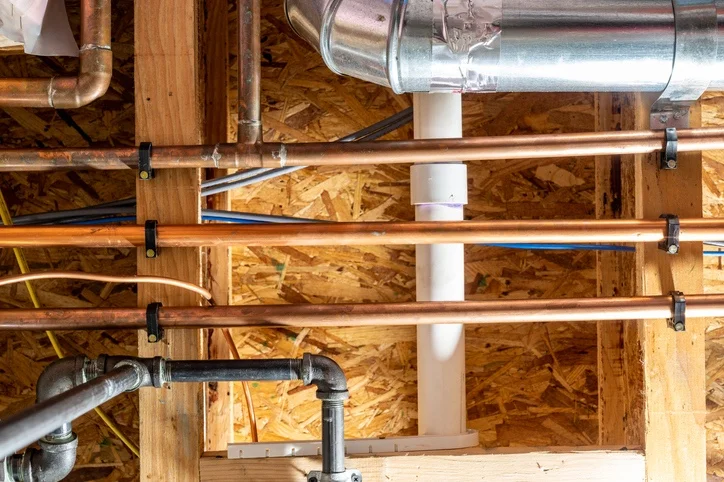
Much of a home's plumbing is hidden behind drywall, beneath subfloors and inside ceiling cavities. During a remodel, water supply lines, drain lines, venting and sometimes gas lines often need to be moved, upgraded or replaced. That makes a remodel the best chance to fix problems that would otherwise go unnoticed for years. According to the Environmental Protection Agency (EPA), the average household's leaks can waste nearly 10,000 gallons of water per year, and many are behind the walls. With the space already open, a licensed plumber can correct them before they're sealed back in.
Copper water supply lines and a PVC vent pipe run through an open framed wall

Plumbing Permits and Illinois Code

Code compliance protects your investment long after the contractor leaves.
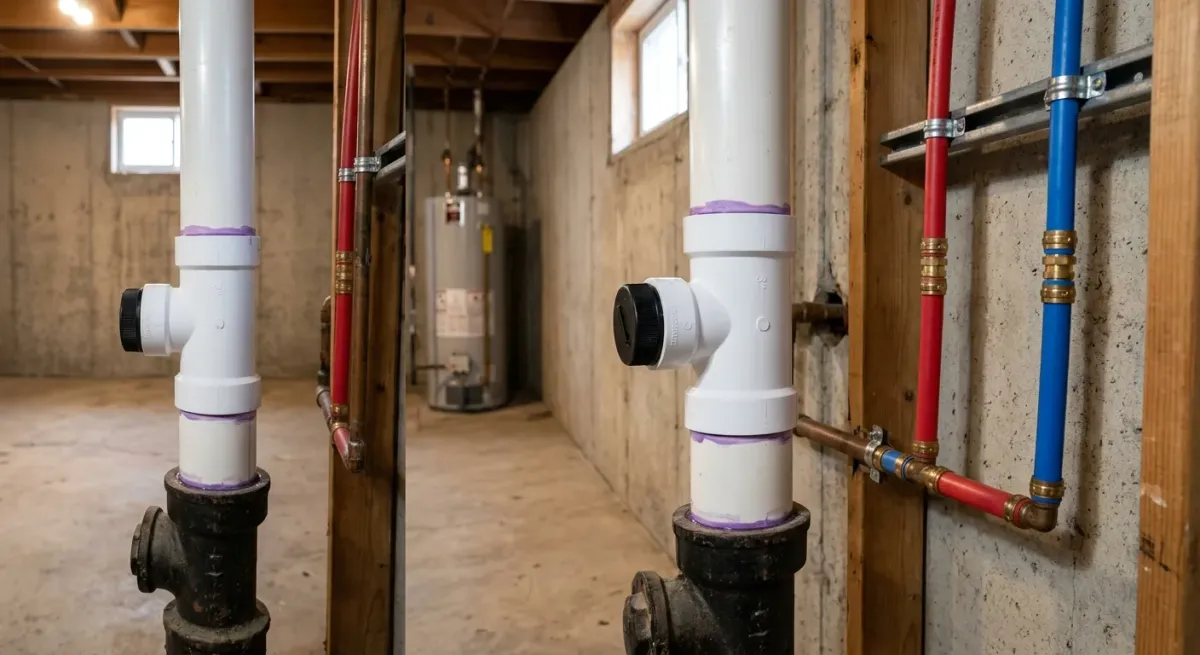
In Plainfield and across Illinois, remodeling work that affects plumbing requires permits and inspections. Code compliance protects you at future home inspections and sales, and makes sure the systems behind your walls hold up. A professional plumber pulls the permits, schedules the inspections and takes responsibility for the result. A handyman typically does none of that. Illinois follows a state plumbing code administered by the Illinois Department of Public Health (IDPH), and Plainfield layers local permit regulations on top. A contractor who hasn't worked in Will County recently may not know what the local inspector will flag, and that becomes your problem at inspection time.
PVC drain and vent pipes in an open wall

Key Qualifications

What to Verify Before You Hire

Four things that separate a qualified remodeling plumber from a general repair tech.

Proper Licensing and Insurance

Confirm a current license from the Illinois Department of Public Health (IDPH). Licensed plumbers pass exams, meet experience requirements and stay current on code. Also verify liability insurance and worker's compensation: if an uninsured worker is hurt on your property, you can be held responsible. Any hesitation to show either document is a reason to keep looking.

Experience With Remodeling Projects

Remodel plumbing means working around partly finished walls, fitting supply lines into new layouts and sequencing around other trades. Ask for references or photos of past remodels, not just reviews for drain clogs and water heater swaps. For water heater upgrades during a remodel, see our water heater installation and service page.

Knowledge of Local Building Codes

Plainfield aligns with the Illinois Plumbing Code and local permit regulations. A contractor unfamiliar with Will County's requirements can install systems that fail inspection or perform poorly. They should know the items below, including backflow prevention methods.

Willingness to Coordinate With Other Trades

Plumbers coordinate with electricians, framers, HVAC technicians and general contractors. Miscommunication causes delays and rework. Ask how they communicate with other trades and whether they'll adjust to the project timeline.

Before You Sign

Questions Worth Asking Every Contractor

The interview is your opportunity to separate availability from actual capability.

Have you worked on similar remodeling projects in Plainfield?
Plainfield mixes older homes with cast-iron drain stacks and newer builds with PVC throughout. A contractor who has worked both knows what to expect when the walls come open. Ask for specifics: what neighborhoods, what scope, how many projects.
Will you handle the necessary permits and inspections?
Some plumbers include permitting; others expect the homeowner or general contractor to handle it. Settle it before work begins. A plumber who won't pull permits usually wants to avoid the inspection, and you don't want that after the walls are closed.
What is your projected timeline for completion?
Rough-in happens after framing and before drywall. A plumber without a clear timeline creates bottlenecks for every other trade. Get the schedule in writing and confirm it matches the overall project plan.
Who will actually be doing the work?
Some contractors bid the job, then send a less-experienced tech or a subcontractor you've never met. Ask who will be on-site and their qualifications. Background-checked, licensed technicians are the standard to hold any contractor to.

What a Good Working Process Looks Like

Give your plumber floor plans and fixture lists before the first pipe is touched.
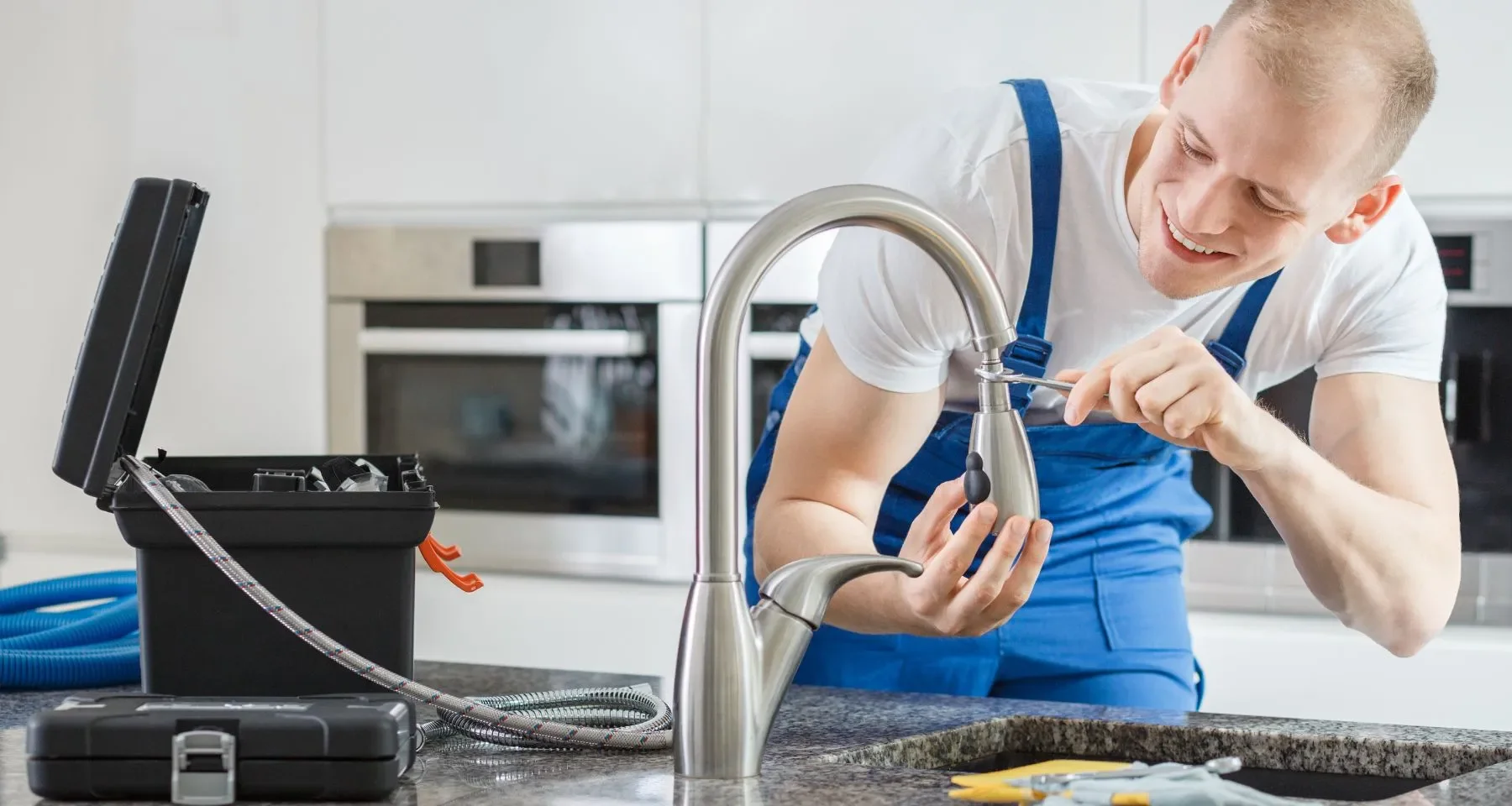
A professional contractor will want floor plans or layout drawings before rough-in, so the work is planned right the first time. Guessing in a wall cavity is expensive. Provide what you can: where walls will be, a complete fixture list with model numbers or specs, and any existing plumbing diagrams. That lets the plumber size pipes, plan venting routes and spot conflicts with framing or electrical runs before anyone picks up a torch. The same goes for a tankless water heater, new fixtures, or sump pump work and trenchless sewer repairs uncovered in a basement remodel: share the specs and scope upfront. A plumber who sees the full picture before day one keeps the project on schedule. One who figures it out on-site slows down every trade that follows.
Plumber installing a kitchen faucet

Leto Plumbing Has Handled Plainfield Remodels for Over 20 Years

Call (815) 609-3150, we answer every day, any hour.

  • ★ 4.8 on Google
  • BBB A+
  • Licensed & insured

Next step

Tell us about the job

Your name, your number and what needs doing. A person from Leto Plumbing & Heating, Inc. gets back to you.

Rather talk now?(815) 609-3150

No obligation · Responds within 1 business day


By submitting this form you agree that we may contact you about your request and share your name and email address with partner companies for email marketing. We never share your mobile number or text message consent with third parties or affiliates for marketing or promotional purposes.