Family-owned · Plainfield Local
4.8 from 53Google reviewsVentilation 101: Indoor Air Quality in Plainfield
What sealed winter homes do to the air your family breathes, and what you can do about it.
Call or text(815) 609-3150Request an estimate
Tell us what you need
Why Ventilation Matters More in Winter
The World Health Organization has been clear: long-term exposure to indoor air pollutants carries real health consequences. And the air inside your Plainfield home isn't always cleaner than the air outside on a busy road, especially once the house is sealed up for a Chicagoland winter. Here's how ventilation affects air quality, and what you can do to keep the air inside breathable.
What Happens When You Seal the House
Sources of Poor Indoor Air Quality
Cooking
Stovetop cooking releases smoke, grease particles and combustion byproducts. Run the exhaust fan above the cooker and crack a window during and after cooking.
Open Flames
Wood fires and candles release particulates. Beeswax or soy candles burn cleaner than standard paraffin.
Cleaning Products and Air Fresheners
Many household cleaners and synthetic air fresheners release VOCs, so some products meant to make a home smell clean add chemical load to the air.
Hobbies and Home Projects
Crafts, painting and decorating release fumes and particles that build up in a sealed winter home.
Your Heating System
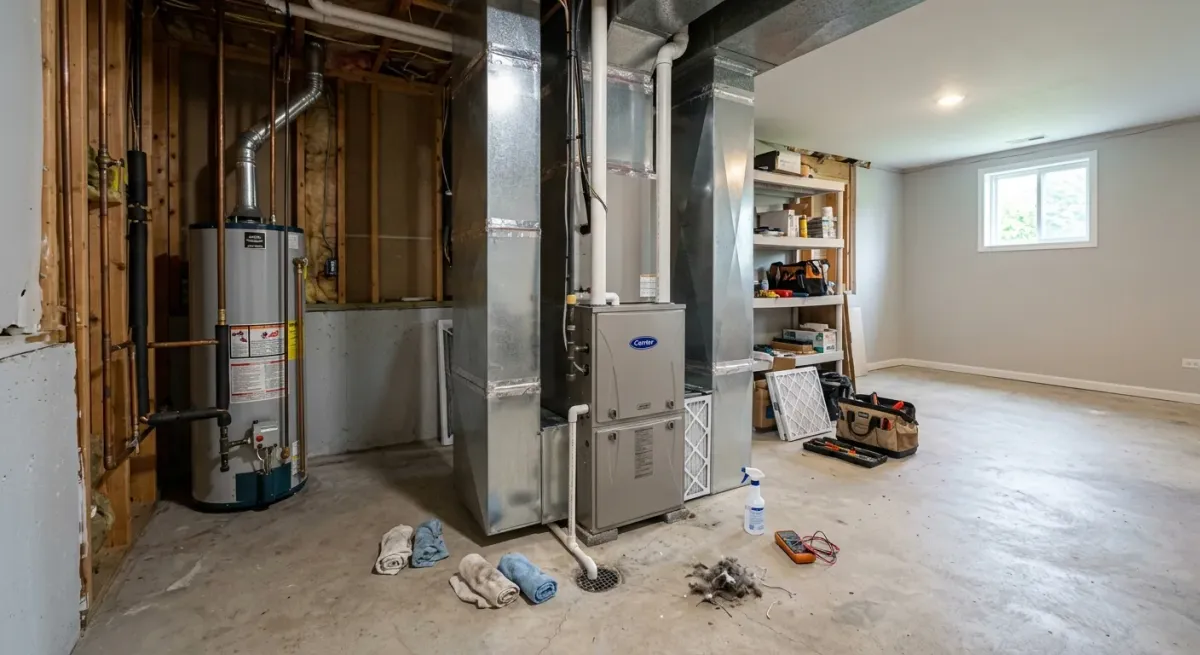
A furnace or forced-air system with old filters circulates dust, allergens and possibly combustion byproducts through every room. Filter replacement is one of the simplest fixes, and one of the most neglected.
Moisture and Mold
Poor ventilation raises humidity, and a warm, poorly ventilated interior is ideal for mold. Bathrooms and basements are the usual starting points.
Plainfield's Climate Makes This Worse
Practical Steps
Keeping Ventilation High Without Losing Heat
The challenge in a Chicagoland winter is keeping air moving without running up your heating bill.
Service Your HVAC System
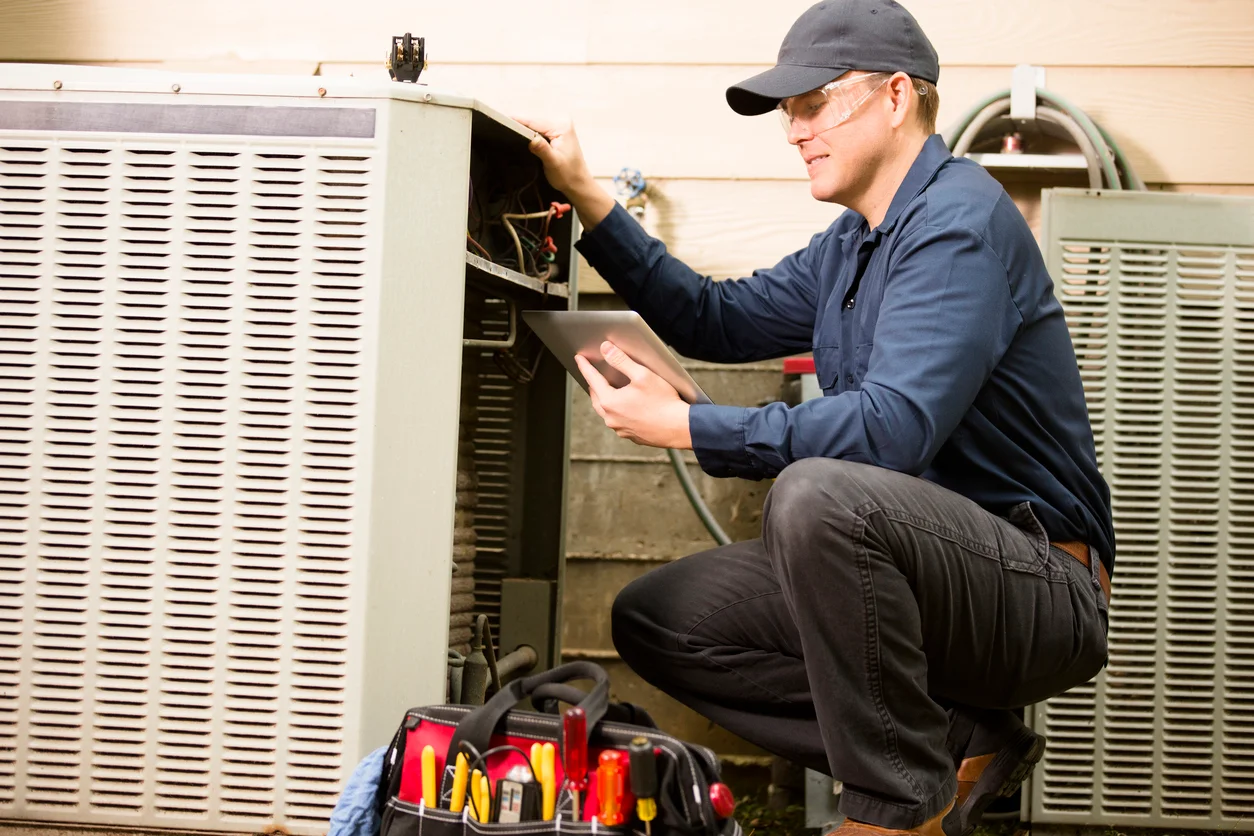
A well-maintained heating system with clean filters moves air better and adds no pollutants of its own. Check whether your unit has a heat recovery ventilator, which brings in fresh air while recovering heat from the stale air going out.
Add Exhaust Fans Where Moisture Collects
Bathrooms and laundry areas carry the most moisture. An exhaust fan in each removes humid air before it drives mold. If yours are undersized or missing, fix that.
Open Windows When You Can
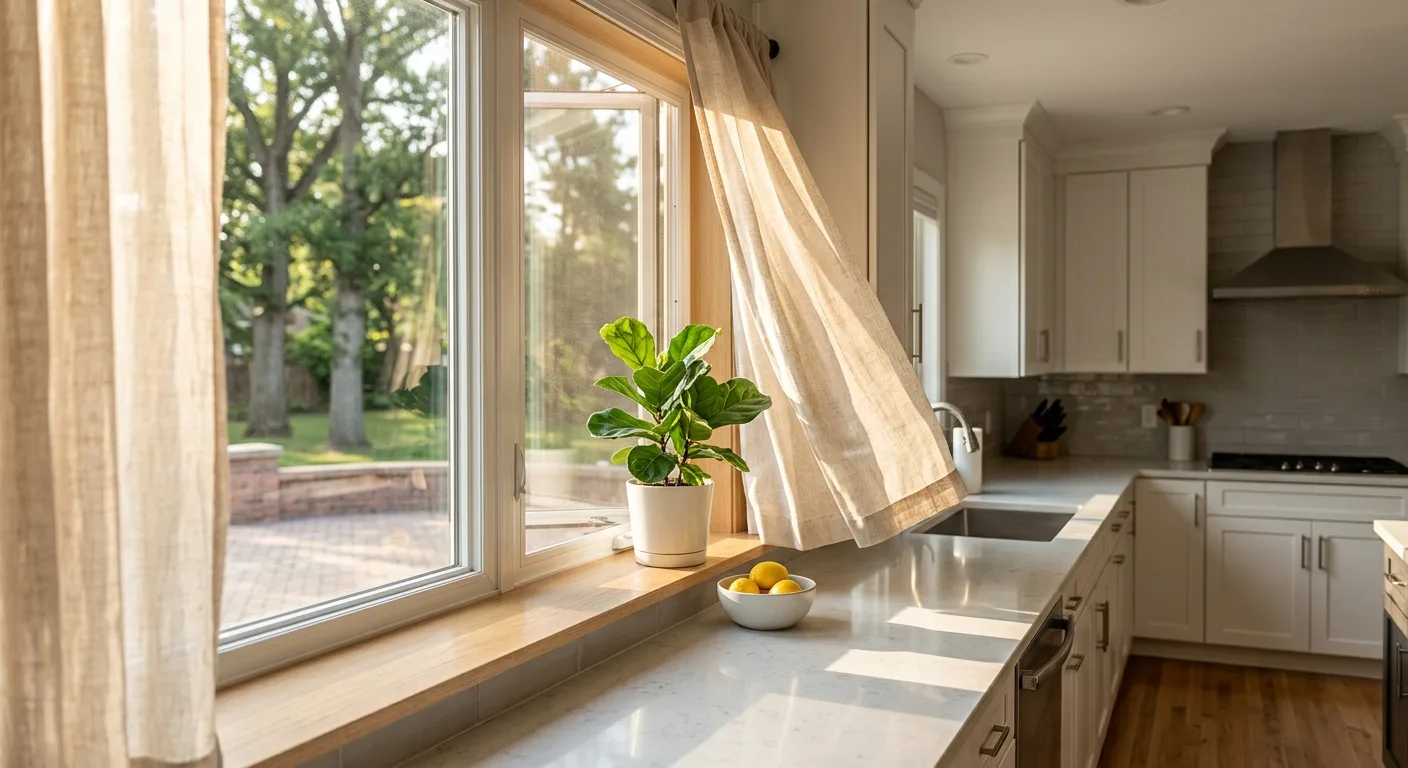
Even a few minutes with a window open after cooking or cleaning, or on a milder winter afternoon, flushes out pollutants faster than any mechanical system.
Use a Smart Thermostat
A smart thermostat cuts heating while the house is empty, which gives you room to air it out when you return without the cost penalty.
Seal the Envelope Properly
Uncontrolled air leaks are less efficient than managed ventilation. A sealed home with a working HRV or exhaust system lets you control where air comes in and goes out.
Schedule Filter Changes and System Inspections
A broken or dirty ventilation system can make air quality worse. Have a professional inspect it and clean filters at least once a year. If your heating system needs repair, a degraded filter is often the first place to look.
Monitoring
Indoor Air Quality Monitors: Worth Having
Questions About Your HVAC System's Role in Air Quality?
Leto Plumbing & Heating has been serving Plainfield homeowners for over 20 years.
- ★ 4.8 on Google
- BBB A+
- Licensed & insured
Next step
Tell us about the job
Your name, your number and what needs doing. A person from Leto Plumbing & Heating, Inc. gets back to you.
Rather talk now?(815) 609-3150