
Family-owned · Plainfield Local
4.8 from 53Google reviewsIs Your Thermostat the Real Problem?
When your furnace won't cooperate in a Plainfield winter, the thermostat is often the overlooked starting point.
Call or text(815) 609-3150Request an estimate
Tell us what you need
Five signs your thermostat is failing
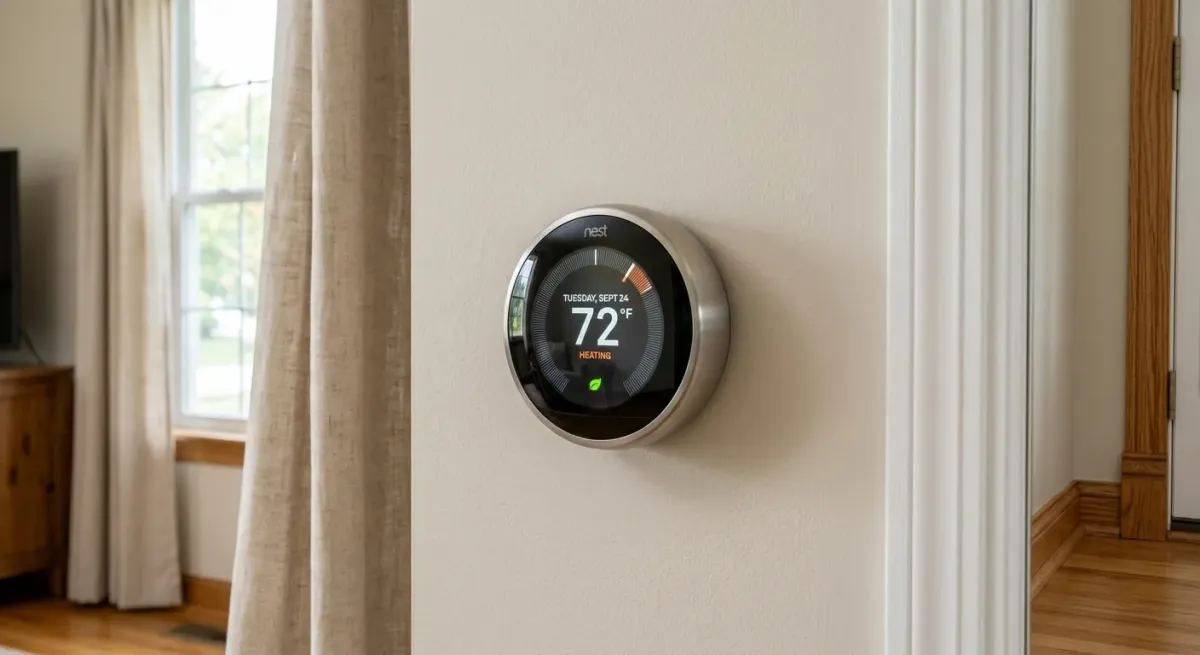
A furnace that won't fire in a Plainfield cold snap feels like an emergency, but check the thermostat before you assume the furnace died. It's the control center for your heating system, and a faulty one can make a perfectly good furnace act dead.
The thermostat reads the air, compares it to your set point, and sends a low-voltage signal that starts or stops the furnace. Dead batteries, a dirty sensor, bad wiring or a worn-out unit can block that signal. Starting at the thermostat is faster and cheaper, and it can save you a significant service call.
Warning Signs
Five signs your thermostat is the problem
Each can look like a furnace failure but points back to the thermostat.
Furnace Doesn't Turn On
Breaker checked and the furnace has power, but it still won't start? A wiring fault, dead batteries or a bad sensor in the thermostat can break the signal chain.
Temperature Discrepancies
Room colder than the display says? A faulty sensor tells the furnace the house is warm when it isn't, or the reverse, so it cycles at the wrong times.
Short Cycling
The furnace kicks on and off without finishing a cycle. Classic thermostat calibration or placement problem: near a heat vent, sunny window or drafty exterior door, it reads false temperatures.
Unresponsive Controls
Changing the setting does nothing. Programmable thermostats develop software faults, and older analog units fail internally, even with the display on.
Blank or Dim Display
Dead batteries, a tripped breaker, or a thermostat at the end of its life. If it can't display a temperature, it can't control your furnace.
Common Fixes
Thermostat problems and how to address them
Some you can fix yourself in minutes. Others need a professional.
Dead Batteries
The most missed fix in home heating. Dead batteries darken the screen and cut the signal to the furnace. Swapping them takes two minutes.
Dirty or Misaligned Sensors
Dust on the sensor throws off the reading. Wipe it with a soft, dry cloth. On older mercury-bulb thermostats, make sure the unit is level; a slight tilt causes erratic behavior.
Outdated Thermostat Model
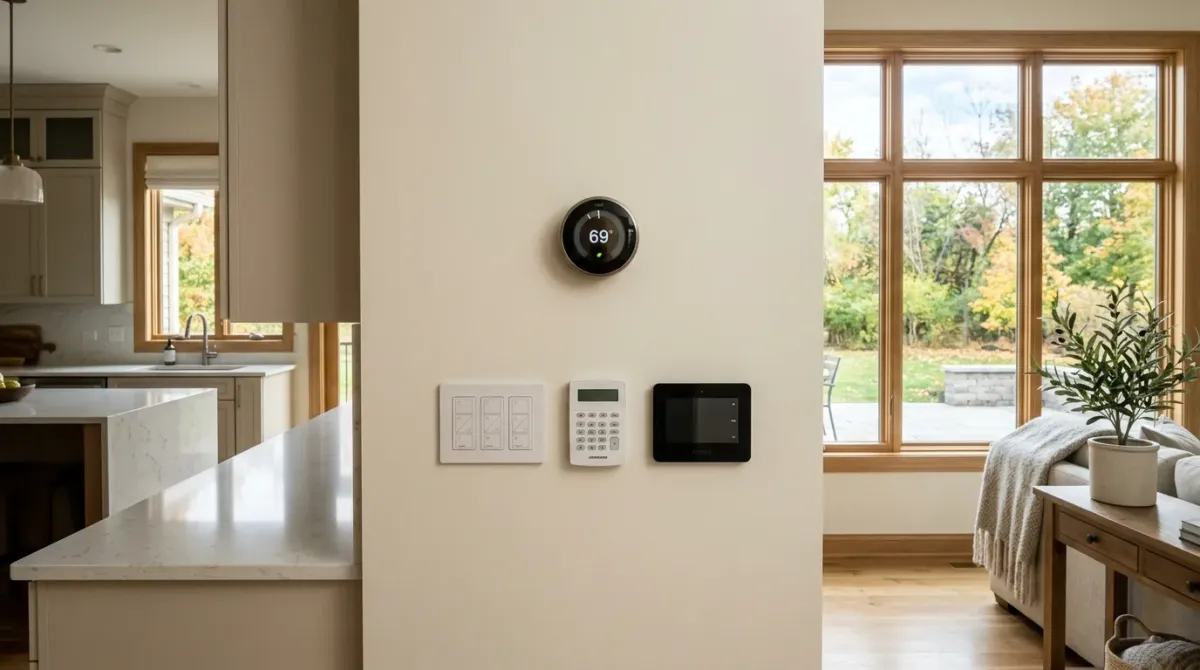
Thermostats older than 10 years are worth replacing for reliability alone. A smart thermostat installation improves comfort and cuts energy waste.
Incorrect Placement
Near a window, exterior door, supply register or heat-producing appliance, it reads false temperatures and may shut the furnace off before the house warms up. Move it to an interior wall away from drafts and heat.
Faulty Wiring
Loose, corroded or miswired connections can cut the signal entirely, and low-voltage HVAC wiring can still cause damage if handled wrong. Ruled out batteries and placement? Call a technician. A thermostat repair visit from Leto includes inspecting all wiring connections.
When replacement makes more sense than repair
Still not sure? Here's how to decide
My furnace won't turn on. How do I know if it's the thermostat or the furnace?
How long should a thermostat last?
Can I replace a thermostat myself?
My thermostat shows the right temperature but the house still feels cold. What's happening?
Furnace acting up? Call Leto before it gets colder.
Leto Plumbing & Heating has been diagnosing furnace and thermostat problems in Plainfield and across Chicagoland for over 20 years. 24/7 emergency service, because heating problems don't wait.
- ★ 4.8 on Google
- BBB A+
- Licensed & insured
Next step
Tell us about the job
Your name, your number and what needs doing. A person from Leto Plumbing & Heating, Inc. gets back to you.
Rather talk now?(815) 609-3150