
Family-owned · Plainfield Local
4.8 from 53Google reviews5 Signs Your Ducts Need Repair This Winter
Plainfield winters are hard on ductwork. Here's how to spot trouble before it becomes a heating crisis.
Call or text(815) 609-3150Request an estimate
Tell us what you need
Why Ductwork Fails Before You Notice
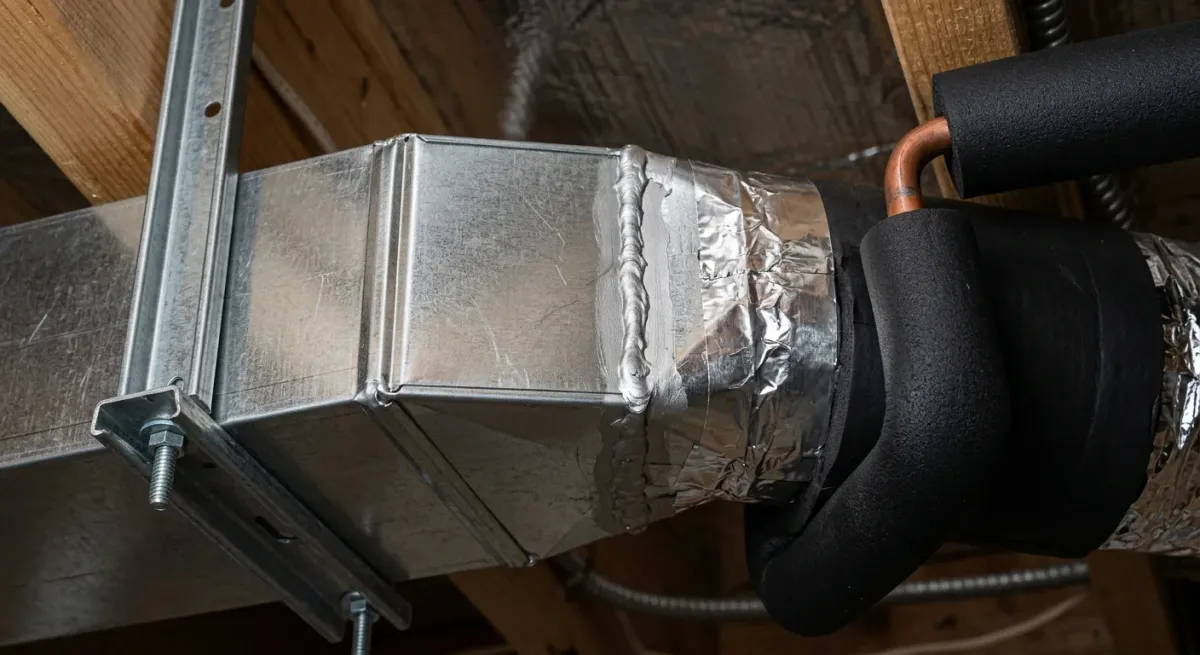
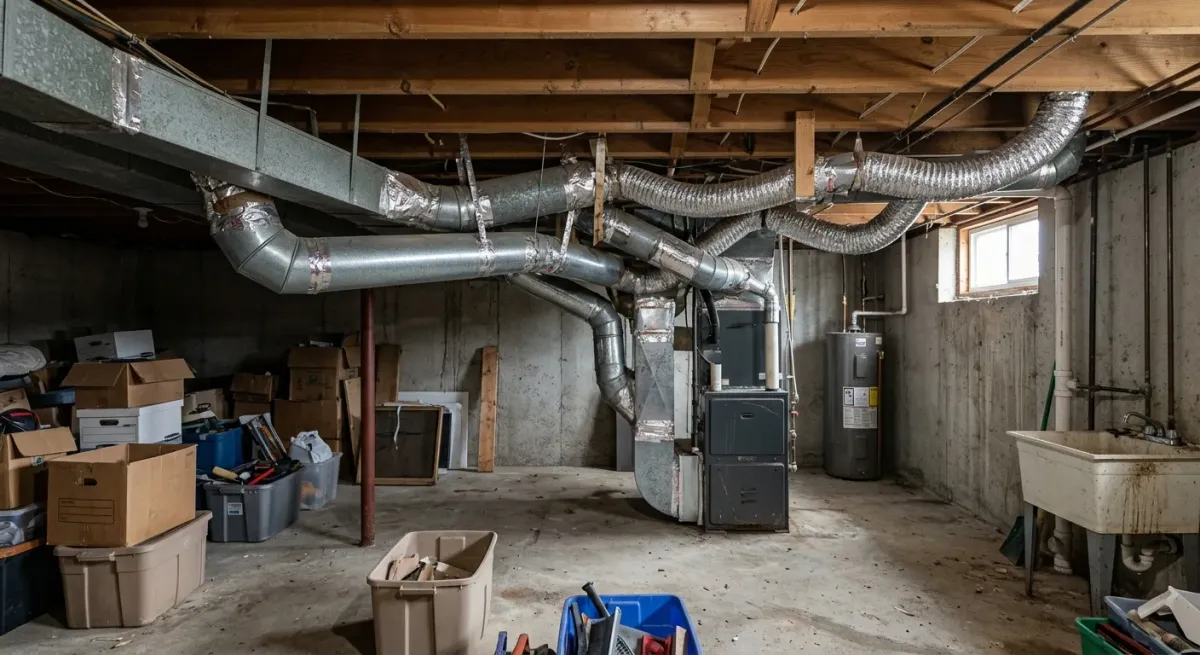
Ductwork is one of the most overlooked parts of a Plainfield HVAC system. Ducts carry heated air from the furnace to every room. When they leak, clog or get damaged, the furnace works harder, bills climb, and some rooms never warm up.
The U.S. Department of Energy estimates up to 30% of heating and cooling energy can be wasted through leaky or poorly insulated ducts. Here are the warning signs to catch before the new year, while it's still a small repair.
Why It Matters
What Your Duct System Actually Does
- Airflow efficiency: Properly sealed and insulated ducts ensure air is delivered where it's needed most, without leaks pulling it off course.
- Energy efficiency: Leaky or blocked ducts force your HVAC system to work harder, which drives up energy consumption and utility bills.
- Indoor air quality: Faulty ducts can allow dust, dirt, and allergens to circulate through the system and into your living spaces.
Sign 1
Uneven Heating or Cooling Throughout the Home
One room warm and another cold, even with the furnace running? It's easy to blame the thermostat, but it's usually the ducts. A heating system repair technician will check them first.
Leaky Ducts
Holes or cracks let warm air escape before it reaches the room, so far-end rooms stay cold.
Blocked Ducts
Dust, dirt or debris restricts airflow, and those rooms stay under-ventilated no matter how long the furnace runs.
Improperly Sized Ducts
Ducts not matched to the HVAC equipment send too much air to some rooms and too little to others. Repairs can partly correct it.
Sign 2
A Sudden Spike in Your Energy Bills
Sign 3
Strange Noises Coming from the Ducts
Some duct noise is normal. Rattling, whistling and banging are not.
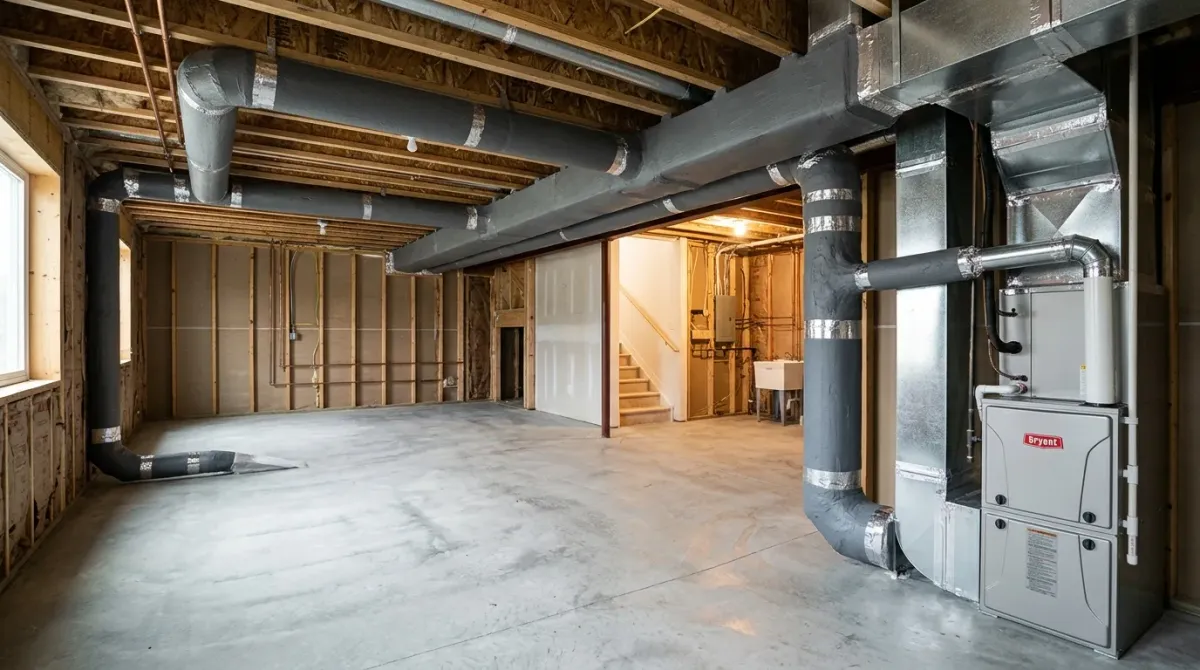
- Loose ductwork: As ducts expand and contract with temperature changes, connections can loosen and sections can rattle against framing or each other.
- Obstructions: A buildup of dust or debris inside the ducts creates airflow restrictions that produce whistling or squealing sounds under pressure.
- Damaged ducts: Cracks or holes let air escape through irregular openings, generating noise as it forces through gaps.
Sign 4
Poor Indoor Air Quality at Home
Sign 5
Visible Damage to the Ducts
Ductwork is often exposed in basements, utility rooms and crawl spaces. Look at what you can reach.
Sagging or Crushed Sections
Flexible duct loses its shape, especially where it bends or bears weight. Crushed sections choke airflow.
Visible Holes or Gaps
Openings bleed conditioned air into attics, crawl spaces and wall cavities instead of your rooms.
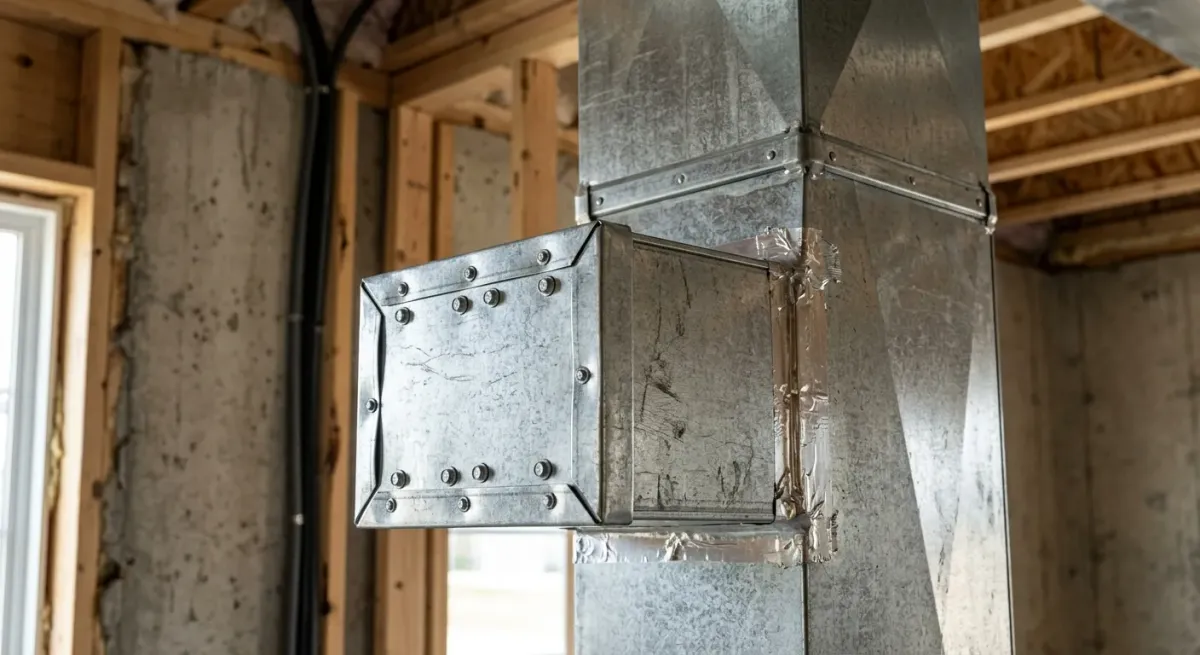
Disconnected Joints
Sections pull apart from vibration, age or poor installation and send your heat into a wall cavity.
How These Problems Get Fixed
Sealing Leaks
High-quality sealants or mastic tape close gaps and cracks so air stays in the duct.
Cleaning Obstructions
Clearing dust and debris restores airflow and improves air quality throughout the house.
Adding Insulation
Insulating ducts in unconditioned spaces cuts heat loss on the way to the room.
Replacing Damaged Sections
When a section is too far gone, replace it. Flexible duct is relatively inexpensive, and the efficiency savings usually recover the cost quickly.
Ductwork Service in Plainfield, IL
Duct problems don't fix themselves over winter, they get worse. Rick and Chris have repaired duct systems around Plainfield for over 20 years. Call (815) 609-3150 to schedule an inspection before the new year. Related reading: signs your thermostat may be the real problem and our ventilation and air quality article.
- ★ 4.8 on Google
- BBB A+
- Licensed & insured
Next step
Tell us about the job
Your name, your number and what needs doing. A person from Leto Plumbing & Heating, Inc. gets back to you.
Rather talk now?(815) 609-3150